

![[Farid Hafez]](https://bridge.georgetown.edu/wp-content/uploads/2026/05/Screenshot-2026-05-04-at-10.45.01-AM.jpeg "Farid Hafez")
The Bridge Initiative is a multi-year research project on Islamophobia housed in Georgetown University.
The Bridge Initiative aims to disseminate original and accessible research, offers engaging analysis and commentary on contemporary issues, and hosts a wide repository of educational resources to inform the general public about Islamophobia.
Research & Resources
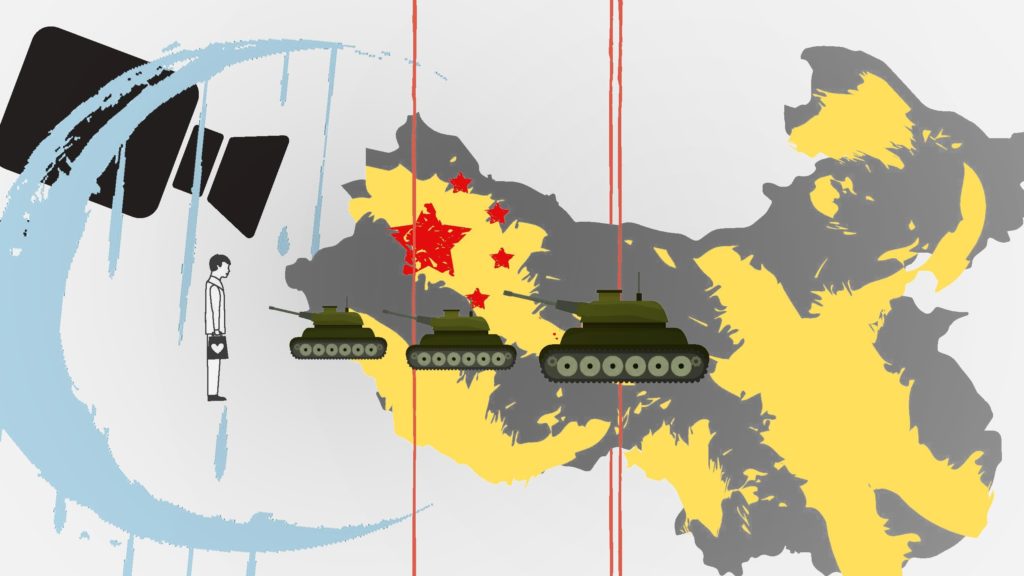
What you need to know about China’s campaign against Uighur Muslims
Currently, at least one million Uighur Muslims along with other Turkic Muslim minorities, are being detained in a network of concentration camps in the semi-autonomous northwest region of Xinjiang. The Chinese government has employed a plethora of arguments in defense of these camps and the wider campaign targeting Uighur Muslims (an ethnic minority that numbers…

What’s an alternative to the U.K.’s counterterrorism policy?
It’s been 18 years since the United States launched the global “war on terror,” an endless and borderless war aimed at eliminating “terrorism.” Following the deadly September 11th attacks, then-President George Bush called for a campaign to find, stop, and defeat “every terrorist group of global reach.” He made it clear that this Global War on Terrorism (GWOT), as it came to be known, would be like any other wars, involving “far more than instant retaliation and isolated strikes,” and gave an ultimatum to the international community: “Either you are with us, or you are with the terrorists.”
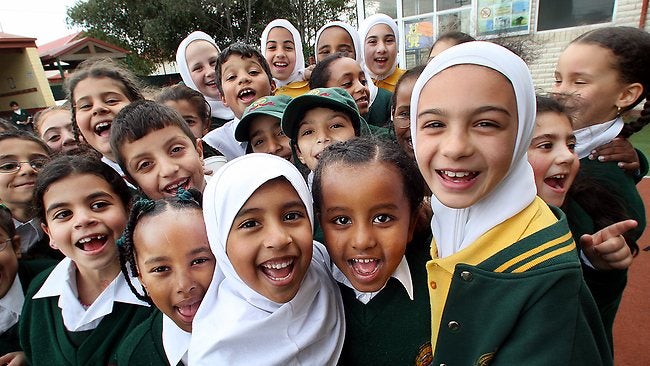
Report: Muslims Most Negatively Portrayed Minority in US Media
The portrayal of minority groups in mainstream media can have a disparate impact on how they are viewed by the general public. In the eighteen years since 9/11, the American Muslim community has borne the collective brunt of negative media portrayals from cable news to Hollywood movies. The Media Portrayals of Minorities Project (MPoMP) at…