
The Bridge Initiative is a multi-year research project on Islamophobia housed in Georgetown University.
The Bridge Initiative aims to disseminate original and accessible research, offers engaging analysis and commentary on contemporary issues, and hosts a wide repository of educational resources to inform the general public about Islamophobia.
Research & Resources
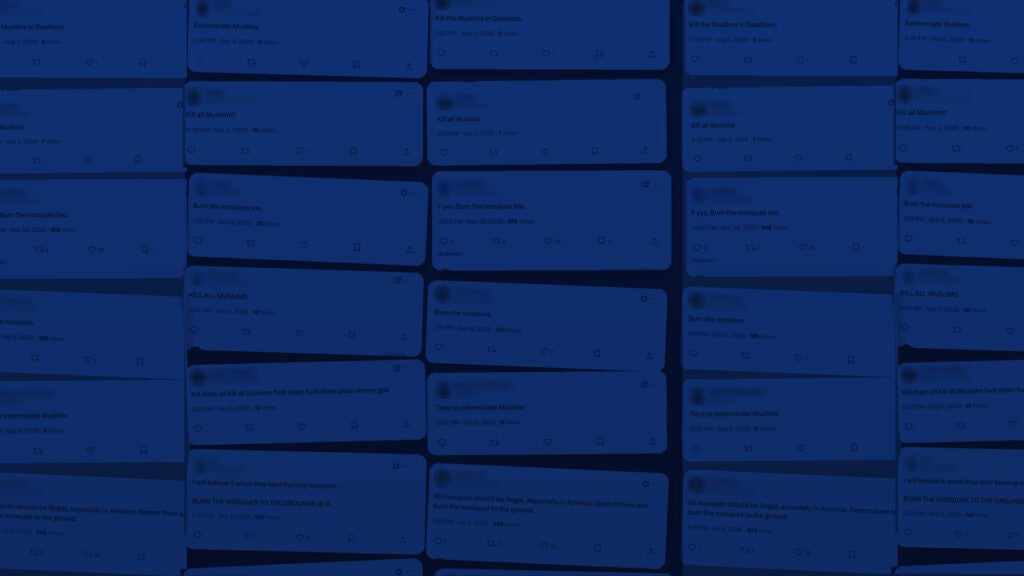
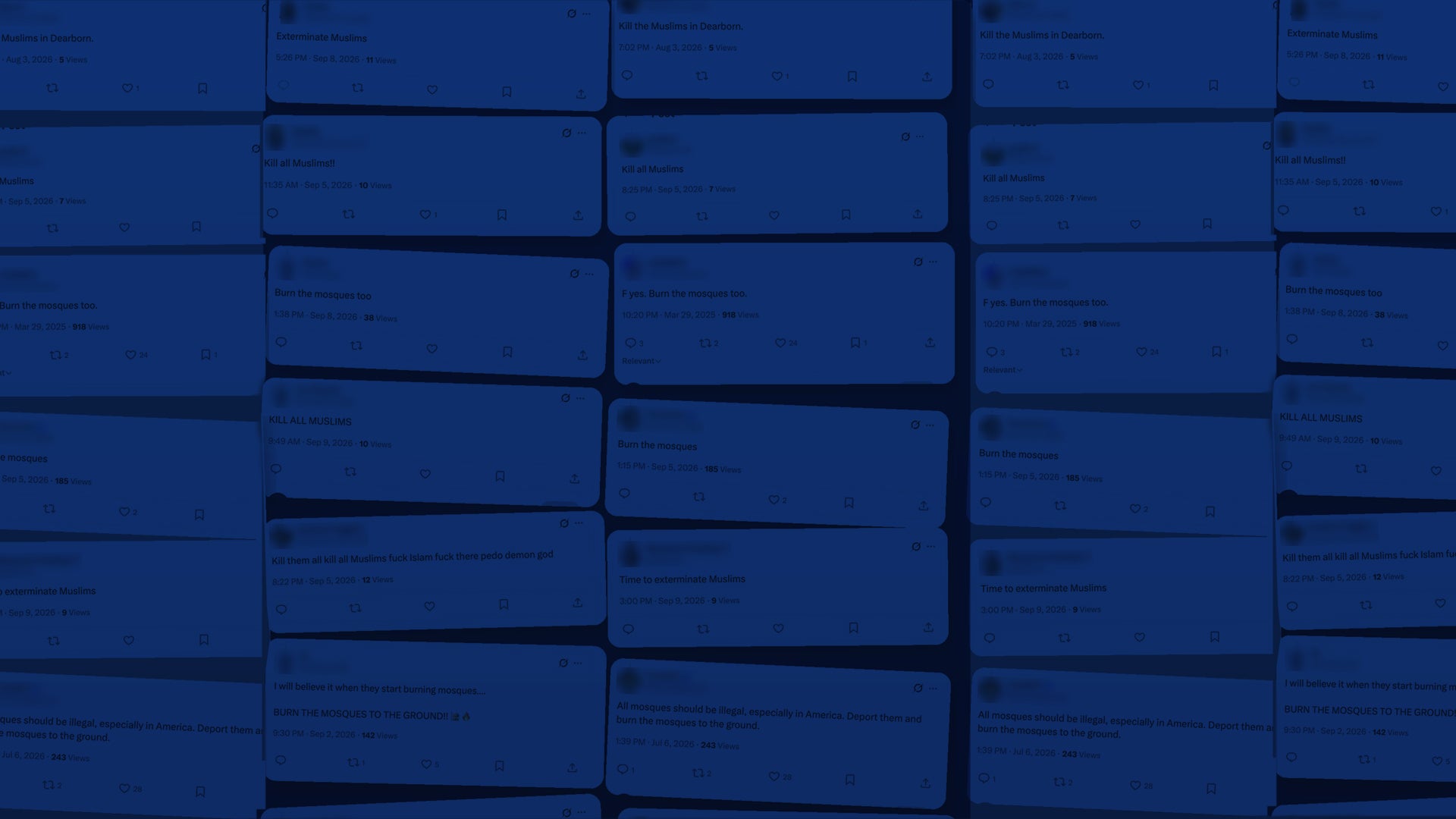
X’s Enforcement Gaps on Dehumanization and Threats of Violence Against Muslims
Anti-Muslim bigotry and incitement surged across social media in 2026, alongside a sharp rise in hate crimes and attacks on mosques, including the May 18 shooting at the Islamic Center of San Diego that killed three people. This report examines how X (formerly Twitter) handles the most explicit forms of that hostility: posts that dehumanize Muslims as vermin, parasites, or an infestation, and posts that directly call for Muslims to be killed and mosques to be burned.
The findings reveal significant gaps in both proactive and reactive moderation. Content that openly violates X’s own policies, with threats of violence, remained live and accessible for months. Even after it was reported, most of it stayed online.
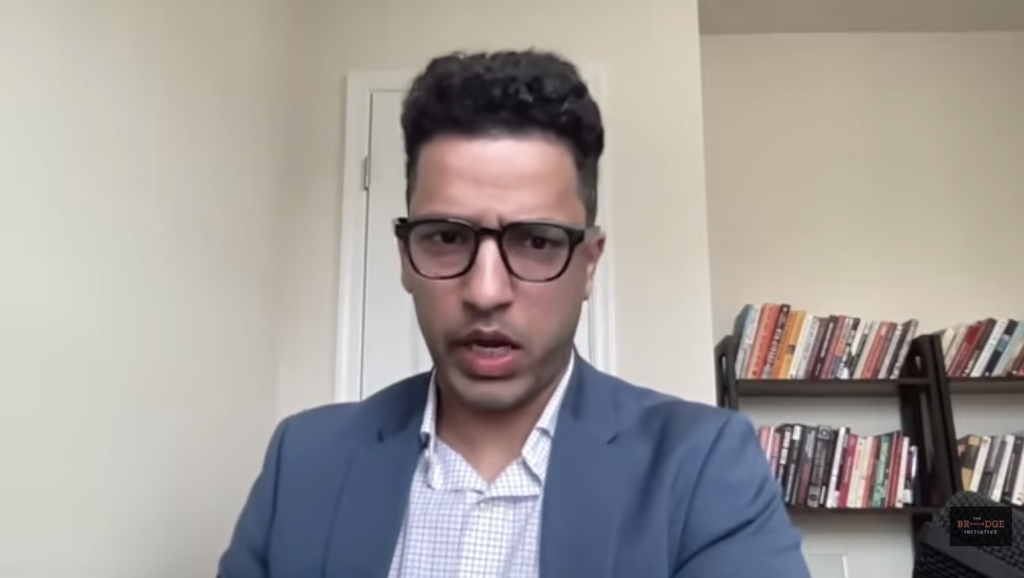
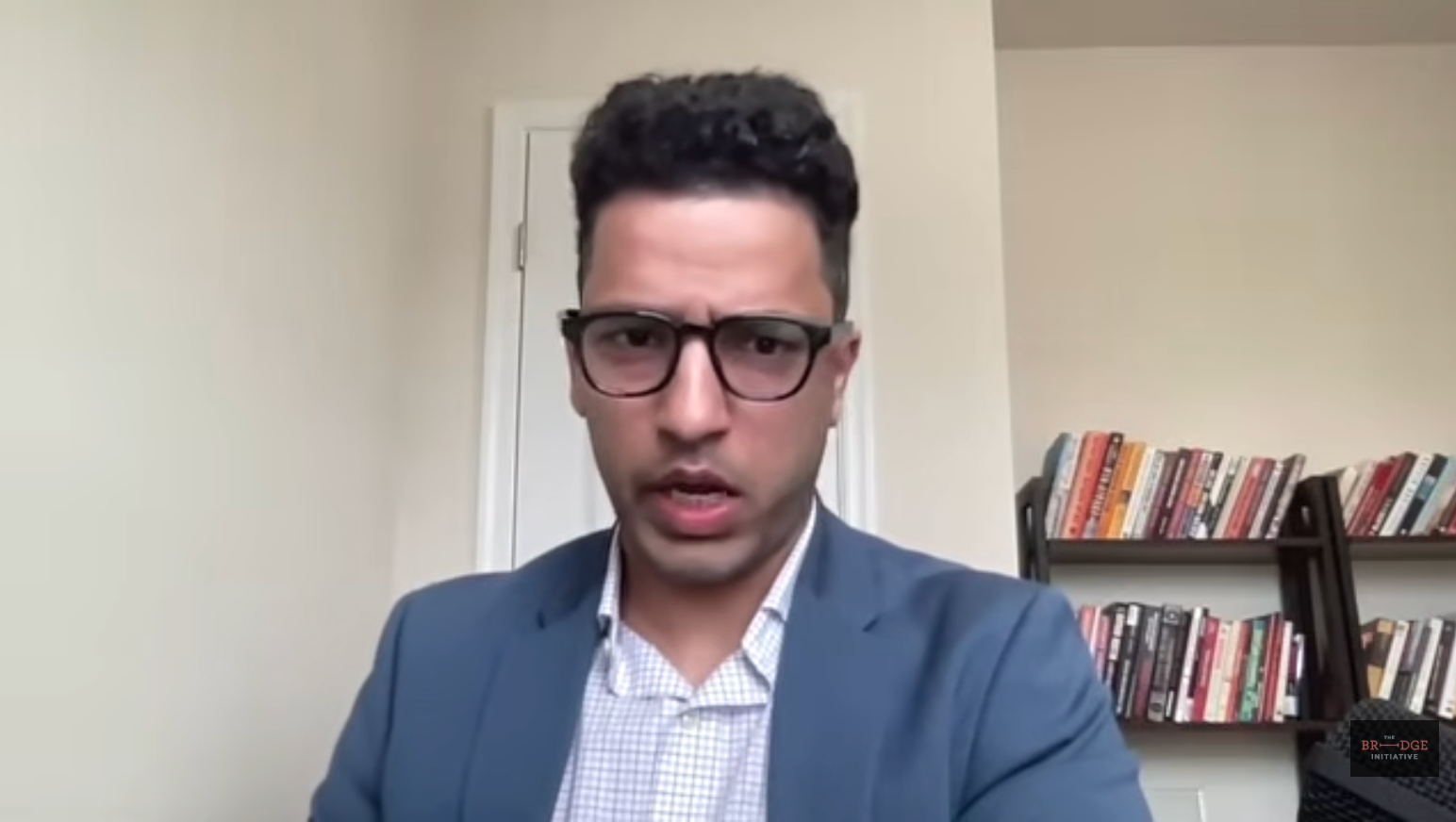
Mapping Digital Hate: A Conversation with the Center for the Study of Organized Hate
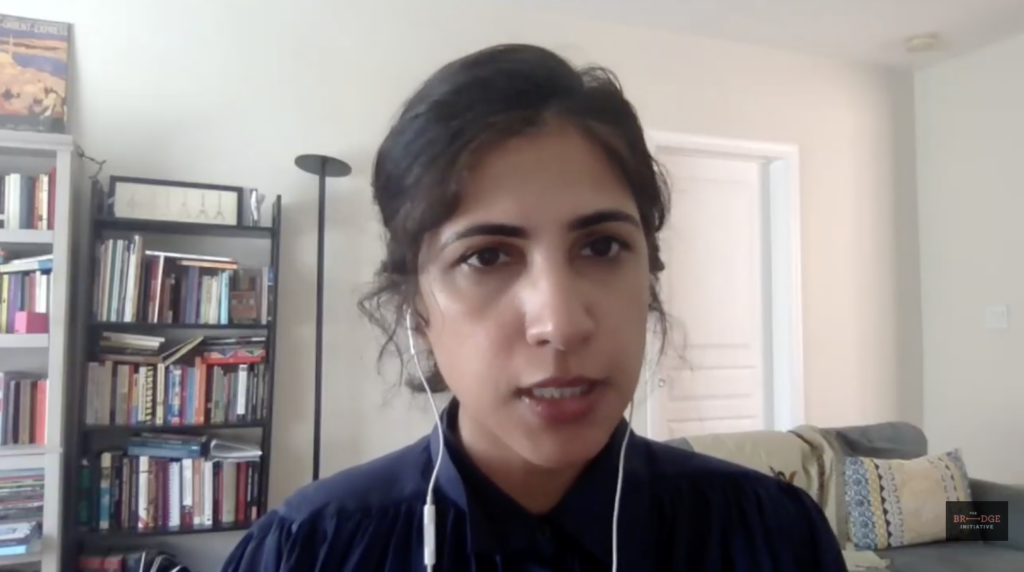
In this episode of Unpacking Islamophobia, we speak with Raqib Hameed Naik and Dr. Eviane Leidig from the Center for the Study of Organized Hate (CSOH), a non-profit think tank looking at digital hate. Some of their Center’s latest work has included looking at the landscape of Czech-language online hate, tracing how “remigration” evolved from a fringe far-right concept into mainstream political discourse, and mapping how the world’s largest digital platforms and music streaming services host, amplify, monetize, and profit from a growing genre of Indian music that dehumanizes Muslims and Christians.
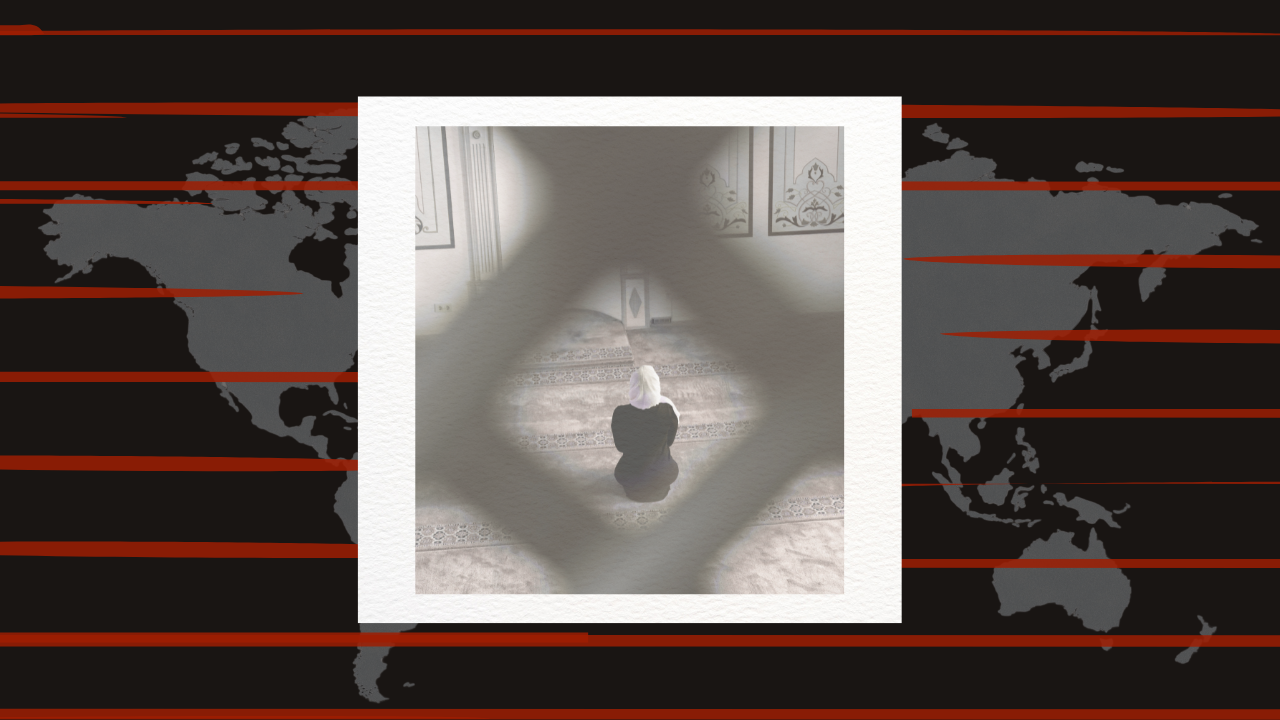
Seasons of Fury: Four Families and the Rise of Islamophobia in America
In her new book, Rozina Ali shows that the War on Terror at home didn’t begin in 2001, rather it’s formal inauguration that year only accelerated long-standing conflicts between American law enforcement and Muslim communities around the country. From the surveillance of Arab activists that began in the 1960s and laws in the 90s that broadened the definition of terrorism, to the mass detention of entire Muslim communities in the 2000s and the rise of think tanks and nonprofits that sowed panic about the threat of Islam itself, Seasons of Fury traces how the policies that warped America’s perception of Muslim communities reach deep into our past.