


![[Farid Hafez]](https://bridge.georgetown.edu/wp-content/uploads/2026/05/Screenshot-2026-05-04-at-10.45.01-AM.jpeg "Farid Hafez")

The Bridge Initiative is a multi-year research project on Islamophobia housed in Georgetown University.
The Bridge Initiative aims to disseminate original and accessible research, offers engaging analysis and commentary on contemporary issues, and hosts a wide repository of educational resources to inform the general public about Islamophobia.
Research & Resources
Study: Muslim Students Graduate at Top of Pluralism Scale
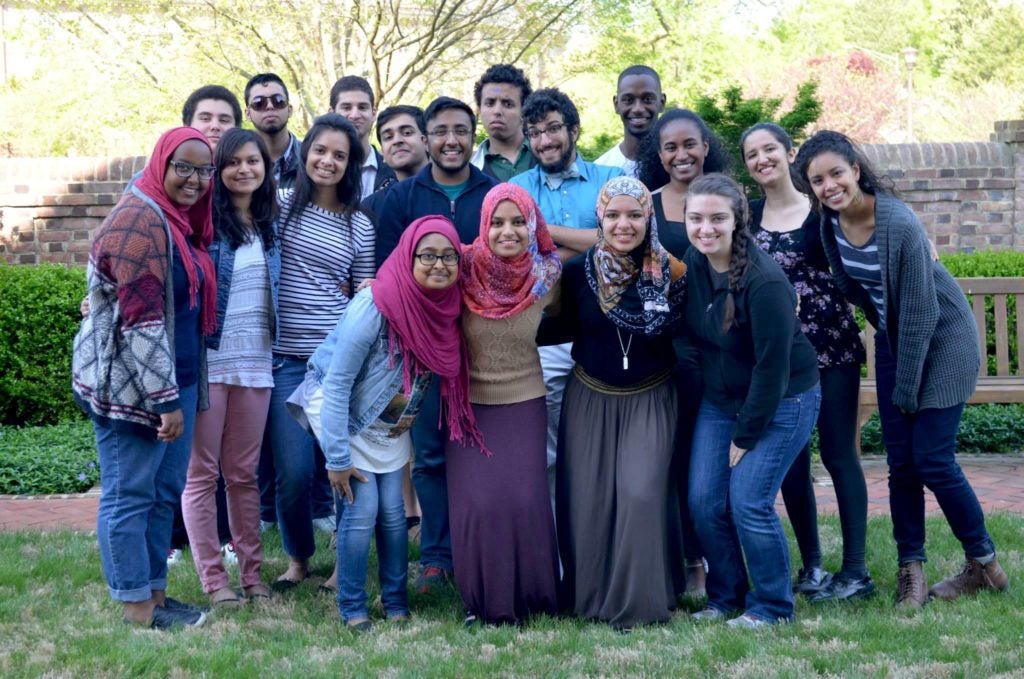
In a time when societal polarization seeks to demonize populations on racial, ethnic, religious and/or sociopolitical lines, many people today are looking towards our younger generations to ameliorate some of these major demographic divisions. Led by research teams at North Carolina State University, Interfaith Youth Core and The Ohio State University, a long-term project known…

The Muslim Ban Turns Three
Three years ago on January 27th, Donald Trump, the newly inaugurated President of the United States, acted on his campaign promise by instituting a discriminatory ban targeting all individuals from seven Muslim-majority countries. Chaos and confusion ensued at the airports as the Executive Order came into force with no guidelines. Individuals from Iraq, Syria, Iran,…

World Court: Myanmar’s Rohingya Muslim Genocide Must End
On January 23, 2020, the International Court of Justice (the World Court) issued a 28-page ruling against the Southeast Asian country of Myanmar (formerly known as Burma) for their genocidal ethnic cleansing campaigns against 1,000,000 Rohingya Muslims. In their unanimous ruling, the World Court ordered the government of Myanmar to take “all measures within its…