

![[Farid Hafez]](https://bridge.georgetown.edu/wp-content/uploads/2026/05/Screenshot-2026-05-04-at-10.45.01-AM.jpeg "Farid Hafez")

The Bridge Initiative is a multi-year research project on Islamophobia housed in Georgetown University.
The Bridge Initiative aims to disseminate original and accessible research, offers engaging analysis and commentary on contemporary issues, and hosts a wide repository of educational resources to inform the general public about Islamophobia.
Research & Resources

In Congress, Race and Religion Pose Challenges to Electability
In the final months, and moments, of former Senator Bob Bennett’s life, he took it upon himself to apologize to Muslims for Donald Trump. During one of his hospitalizations, Senator Bennett asked his wife and son, “Are there any Muslims in the hospital? I’d love to go up to every single one of them to…
As Islamophobia Increases, So Does Use of the Word
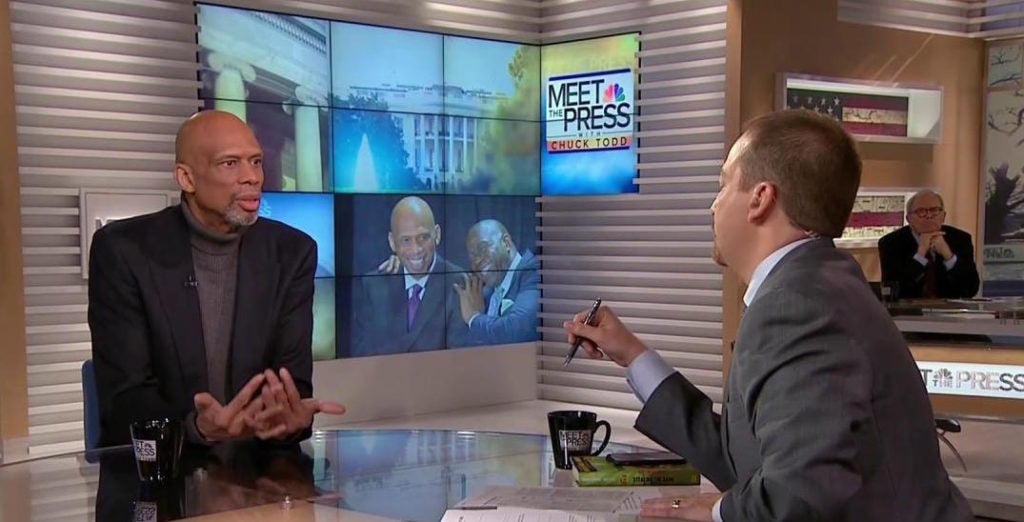
Over the last year, we’ve witnessed a concerning rise in anti-Muslim incidents. At the same time, we’ve also seen increased use of a word to describe it: Islamophobia. Major media outlets and journalists have begun using the term to describe the climate of prejudice and discrimination facing American Muslims or those perceived to be, and…
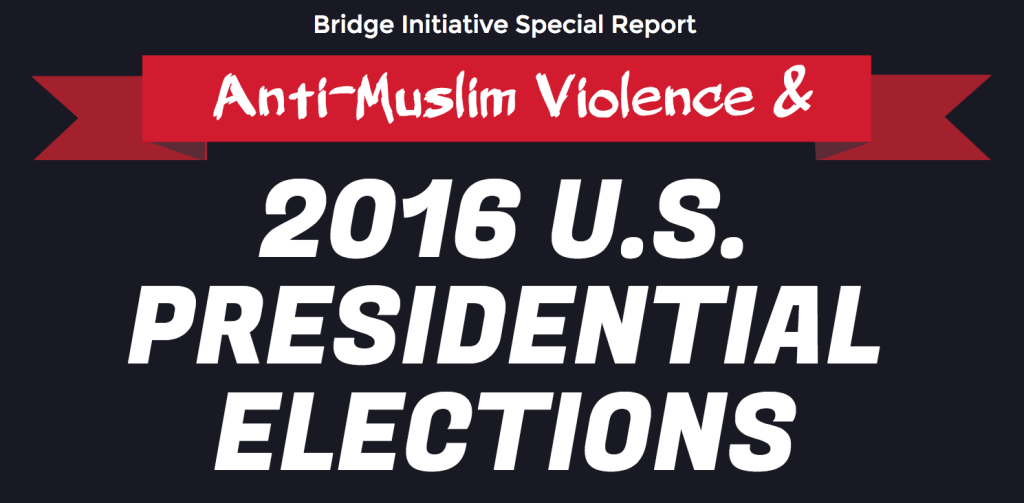
Anti-Muslim Violence & the 2016 U.S. Presidential Election
[Image Description] Heading of Infographic Title Text: Anti-Muslim Violence & 2016 U.S. Presidential Elections Text Below Title: Amid a presidential election campaign frought with anti-Muslim rhetoric. American Muslims were met with verbal threats, physical assaults, and worse. During the end of 2015, after Donald Trump called for a ban on Muslim immigration to the United…