
![[Farid Hafez]](https://bridge.georgetown.edu/wp-content/uploads/2026/05/Screenshot-2026-05-04-at-10.45.01-AM.jpeg "Farid Hafez")
The Bridge Initiative is a multi-year research project on Islamophobia housed in Georgetown University.
The Bridge Initiative aims to disseminate original and accessible research, offers engaging analysis and commentary on contemporary issues, and hosts a wide repository of educational resources to inform the general public about Islamophobia.
Research & Resources
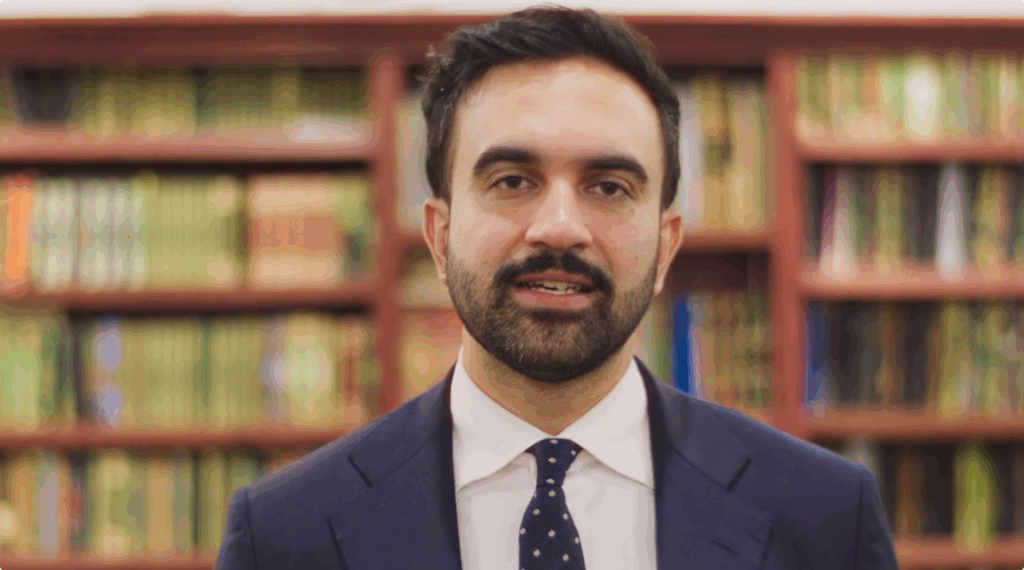
Zohran Mamdani calls out Islamophobia in NYC Mayoral Race
On October 25, 2025, Zohran Kwame Mamdani, the Democratic Socialist nominee running to become the next mayor of New York City, released a powerful video addressing the rampant Islamophobia he has faced throughout his campaign.
Civilization Talk: How Politicians Use ‘Judeo-Christian’ to Cast Muslims as a Threat
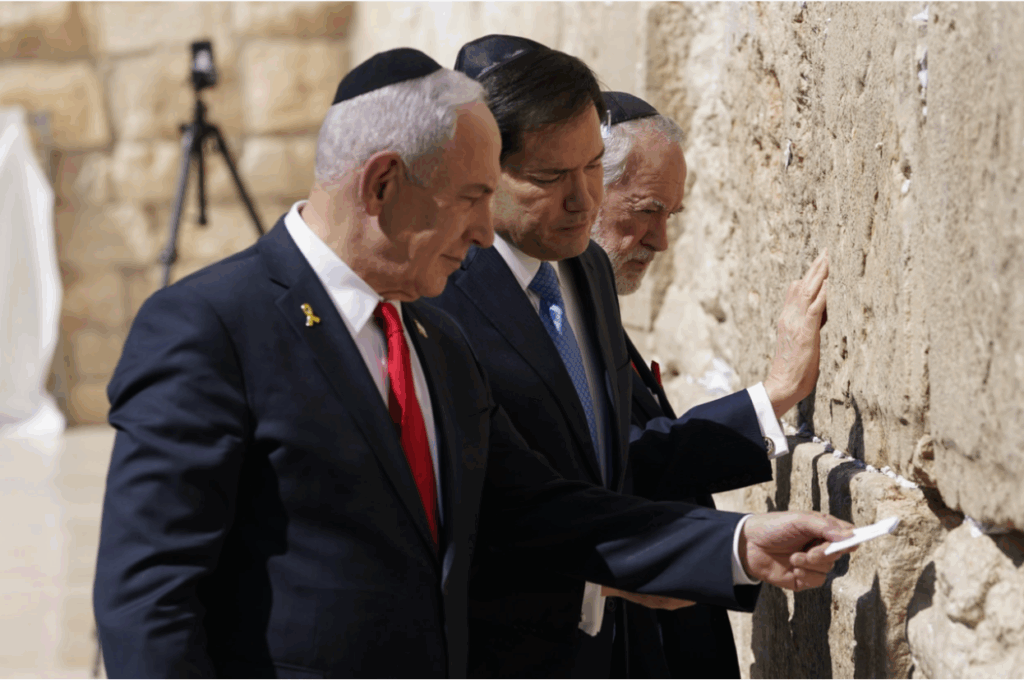
By fusing ethno-nationalist populism with religion, the notion of a “Judeo-Christian tradition” has been mobilized as a symbolic “barrier against Islam,” framing Muslims—constructed as the religious and racial “other”— as threats to Western values and civilization.
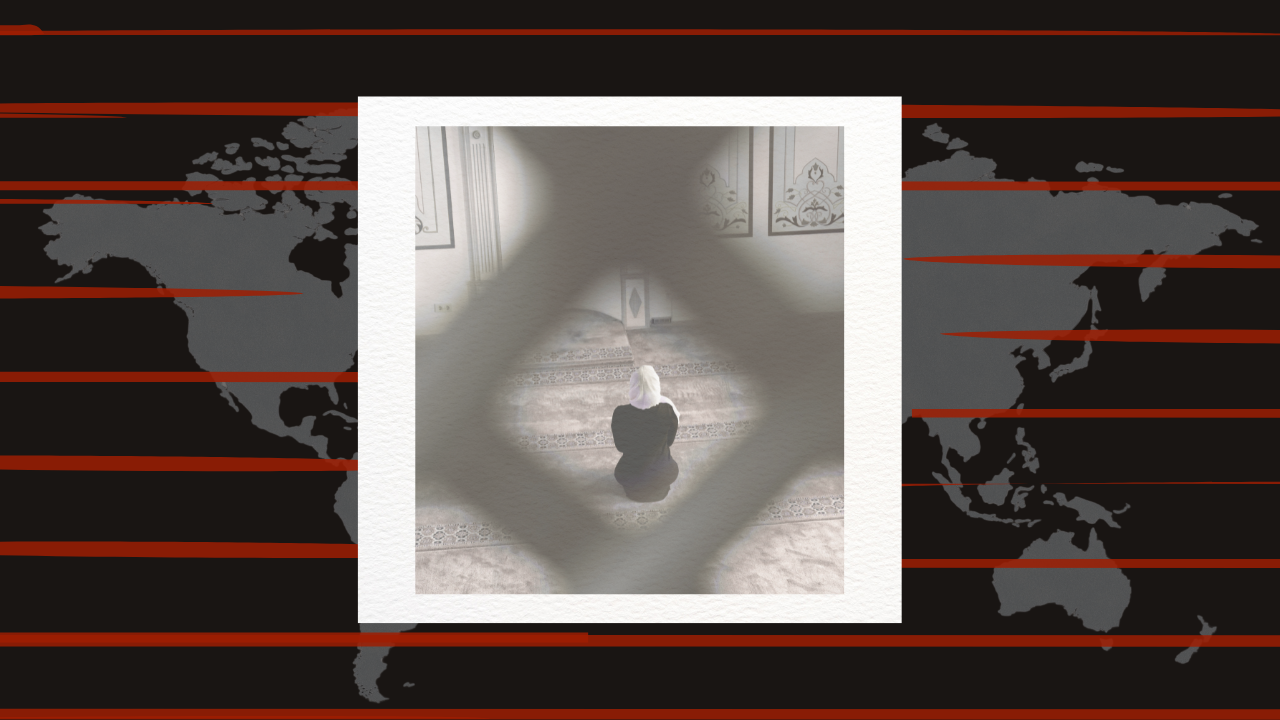
Austrian Hijab Ban Survey: What Muslim women think
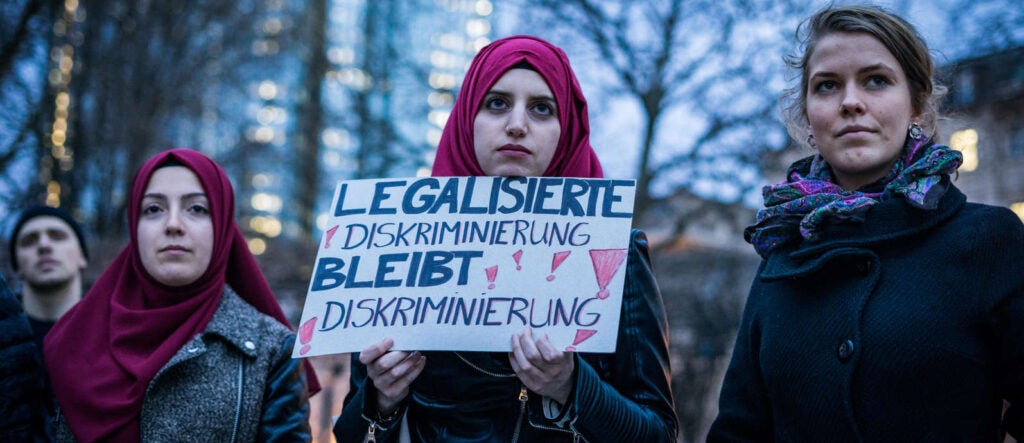
The Austrian Hijab Ban Survey sheds light on how Muslim women and girls in Austria view the government’s proposed legislation banning the hijab in schools up to the 8th grade. Conducted shortly after the bill’s announcement on 10 September 2025, the survey collected responses from almost 1,000 Muslim women in Austria, offering a rare insight into the voices most directly affected. The findings are striking: 93% of respondents oppose the ban. The results further challenge claims that the hijab negatively impacts education or personal development, with overwhelming majorities disputing such arguments. Also, Muslim women who do not wear the hijab expressed strong opposition to the law. Politically, most respondents supported the Social Democrats (SPÖ), despite the party’s participation in the coalition pushing the ban, while many also favored smaller parties, but clearly rejected the two most vocal parties supporting the bill, the Conservatives (ÖVP) and the Liberals (NEOS), polling with only 1 percent each. Overall, the survey highlights both the broad rejection of the hijab ban among Muslim women and the gap between political rhetoric and the lived experiences of Austria’s Muslim community.