
Articles
Data-driven analysis on contemporary topics related to Islamophobia.
The Latest
25 Years of the War on Terror: How Islamophobia Became Policy
Following 9/11, there were several key events, policies, and projects that shaped America’s understanding of what terrorism was and who terrorists are. However, much of this was not rooted in rigorous analysis with scientific reasoning and sound methodologies, rather they relied on deeply racist and harmful stereotypes about Islam, Muslims, and Arabs—many of which date back to the time of the Crusades.
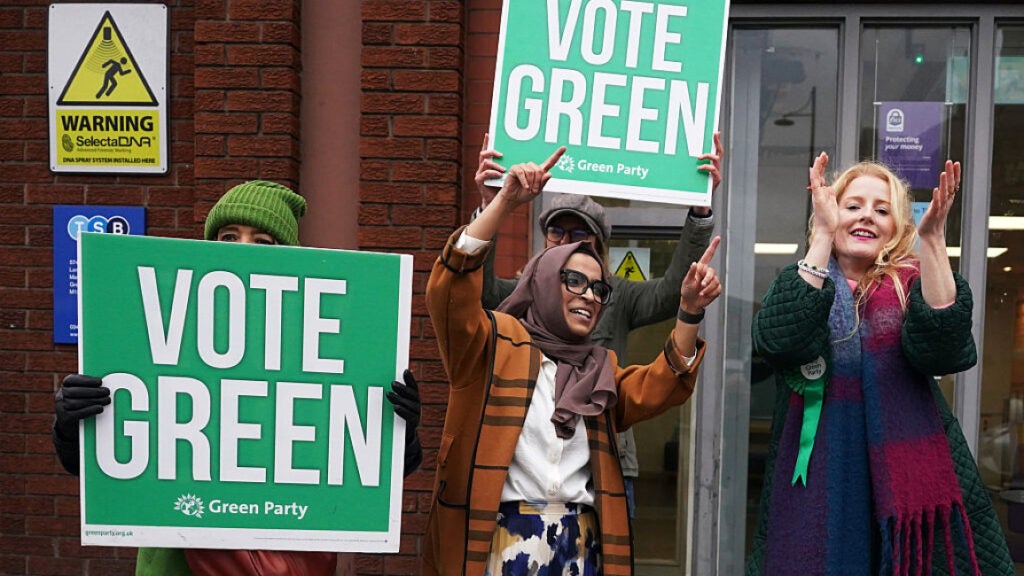
Extending Islamophobia to ‘inner enemies’: the spectre of Islamo-Leftism in France and Britain
‘Woke’, ‘Islamo-leftist’, ‘extremist’, ‘sectarian’: these are only a few among the accusations launched against several Western green and left-wing parties (as well as civil society associations, academics and journalists) who raise awareness about Islamophobia, anti-migrant racism, and Israel’s genocide in Gaza. Such unhinged criticism frequently comes from right-wing figures: think, for instance, of the Republican Party representatives’ crusade against the Democratic mayor of New York City, Zohran Mamdani, part of a larger vitriolic campaign against American Muslims. Yet, narratives have also percolated into centrist parties, often prone to put on the same plane the “two extremes” (Right and Left), neglecting that attacks carried out by far-right and white supremacist individuals have been far more lethal than left-wing ones.
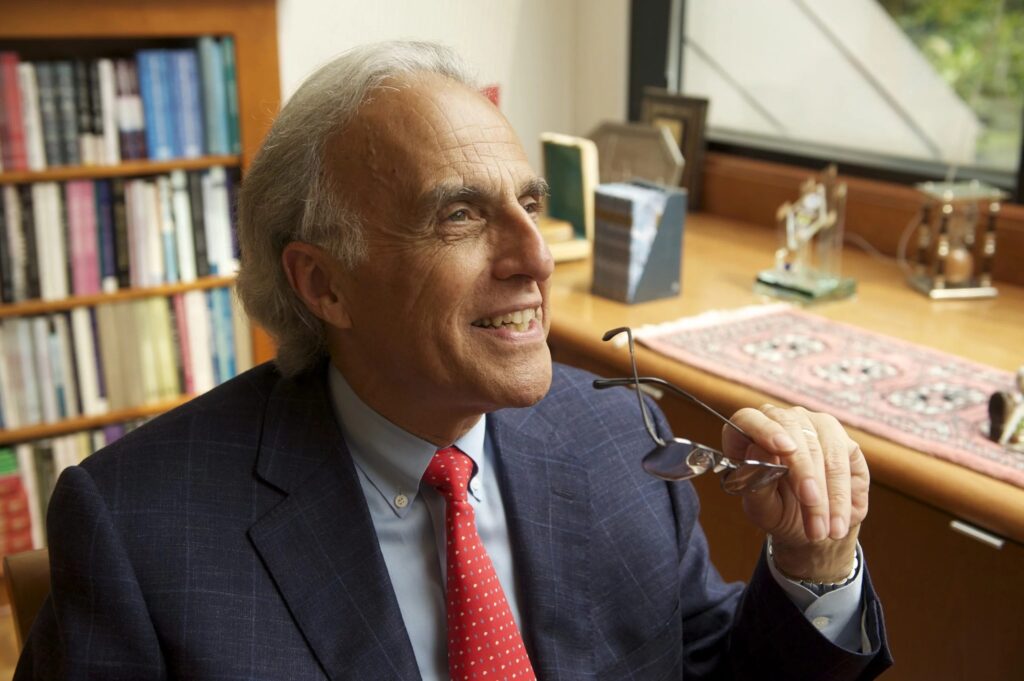
Remembering Professor John L. Esposito
The Bridge Initiative mourns the passing of Dr. John L. Esposito, founding director of the Alwaleed bin Talal Center for Muslim-Christian Understanding (ACMCU) and director of The Bridge Initiative at Georgetown University.